
Research -- StepUp to Learn

Car, stroller, juice: Babies understand when words are related

Car, stroller, juice: Babies understand when words are related

The meaning behind infants’ screeches, squeals and wails may frustrate and confound sleep-deprived new parents. But at an age when babies cannot yet speak to us in words, they are already avid students of language.

Brain activity buffers against worsening anxiety
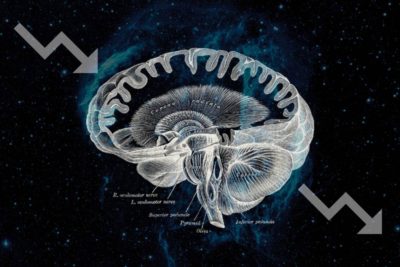
Brain activity buffers against worsening anxiety

Boosting activity in brain areas related to thinking and problem-solving may also buffer against worsening anxiety, suggests a new study by Duke University researchers.

Farsighted children struggle with attention

Farsighted children struggle with attention

Farsighted preschoolers and kindergartners have a harder time paying attention and that could put them at risk of slipping behind in school, a new study suggests.

Researcher sheds new light on how brain operates like GPS

Researcher sheds new light on how brain operates like GPS

“We have not had a clear understanding of what happens when you step out of a subway tunnel, take in your surroundings and have that moment where you instantly know where you are,” Wilber said. “Now we’re getting closer to understanding that.”


Boost Your Preschoolers' Memory Skills

Boost Your Preschoolers' Memory Skills

The Aleutian Islands are part of the state of Alaska. Many adults who read this little known fact may not be able to recall it later. Now, imagine asking 4- and 5-year-olds to learn and retain it. That’s exactly what researchers required of preschoolers in a new study exploring interactive learning and children’s memory.


Guided Play: Learning "Takes Shape" in Preschool
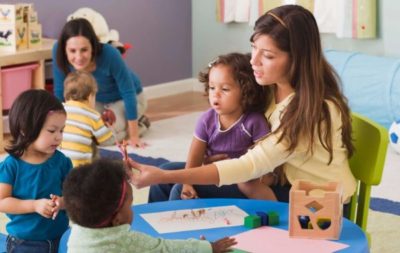
Guided Play: Learning "Takes Shape" in Preschool

Guided play, or discovery learning, is an inquiry-based teaching method where teachers are coaches who create interest-driven experiences. In this study, guided play improved preschoolers ability to learn geometric shapes -- an essential component to school readiness-- over other types of instruction.

Building Brain Habits: Learning from Mistakes

Building Brain Habits: Learning from Mistakes

In the StepUp programS, we say that self-evaluation is the key to motivation.  In other words, when children feel empowered to do meaningful work and feel the satisfaction of a job well done, then they develop the ability to evaluate their work.