
Research -- StepUp to Learn
Intervention offered in kindergarten readiness program boosts children’s self-regulation skills
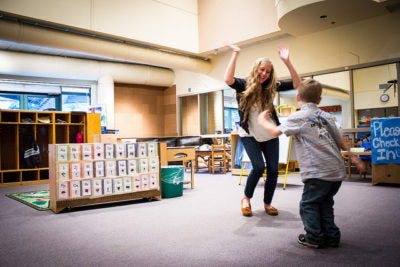
How Dance Can Help Students in STEM Disciplines

Researcher sheds new light on how brain operates like GPS

“We have not had a clear understanding of what happens when you step out of a subway tunnel, take in your surroundings and have that moment where you instantly know where you are,” Wilber said. “Now we’re getting closer to understanding that.”
How Important Are Genetics in Learning?

Researchers have found that genetics significantly affect learning abilities. That's not to say, however, that academic achievement is entirely pre-determined. Learning environment does have an important effect on test scores, and possibly even more so in some cases.
Need Inspiration? Get Moving!
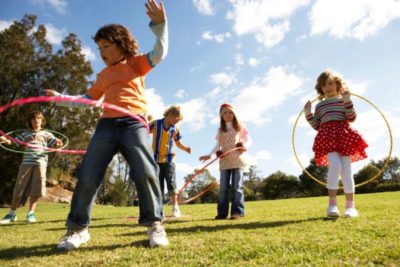
Have you ever hit a creative roadblock? Exercise might be the answer to overcoming mental blocks, according to a new study.
Boost Your Preschoolers' Memory Skills

The Aleutian Islands are part of the state of Alaska. Many adults who read this little known fact may not be able to recall it later. Now, imagine asking 4- and 5-year-olds to learn and retain it. That’s exactly what researchers required of preschoolers in a new study exploring interactive learning and children’s memory.
Building Brain Habits: Sharing Chores

HIIT Improves Health, Can It Improve Attention?
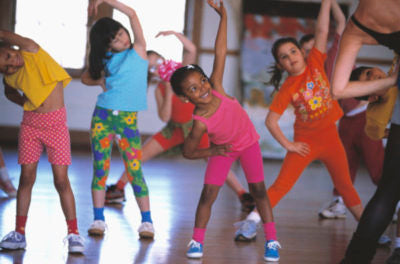
High-intensity interval training, commonly referred to as HIIT workouts, have been shown to improve adults’ physical and mental health. The benefits of HIIT workouts in adults has inspired researchers to examine the effect of similar exercises in the classroom. Can four minutes of physical activity improve attention and behavior in the classroom?
Indoor Fitness for Preschoolers: Is Your Classroom Fit?
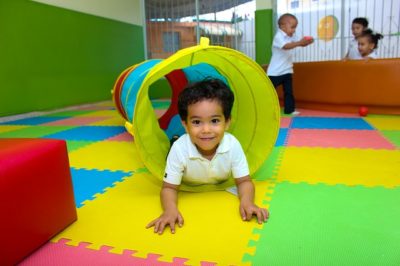
Experts recommend that children, by the time they’re 5 years of age, should engage in moderate to vigorous physical fitness for at least 60 minutes of activity per day. Researchers found that children’s physical activity levels during preschool class sessions are correlated to the overall quality of the preschool and the availability of indoor area equipment.
The "Couch-Potato" Generation
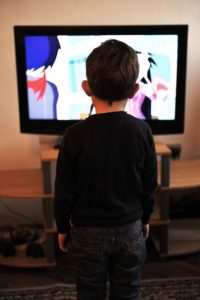
Kindergartners and first-graders are rapidly becoming mini-couch potatoes as they are spending more time sitting and watching television and less time actively playing and moving around. How much TV is too much?
Moving for Math
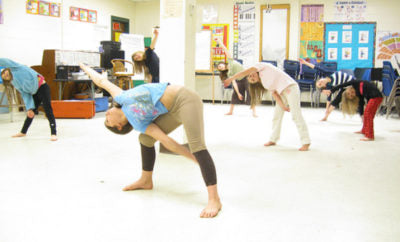
Low Engagement? Try Standing Desks

Physical activity, even acute and less intense levels, has beneficial effects on cognitive ability. We know that standing while working has increased health benefits for adults. Now researchers have found that children who stand at their desks in the classroom are more engaged and attentive than