
Research -- StepUp to Learn
Childhood aggression linked to deficits in executive function

Primary school children with reduced cognitive skills for planning and self-restraint are more likely to show increased aggression in middle childhood.
Eye exams linked to kids' reading levels
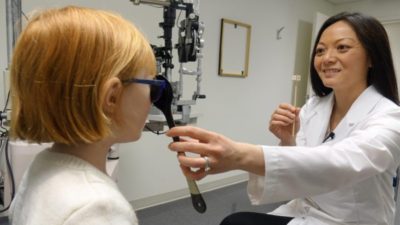
Elementary school children who read below grade level may have challenges with their eyesight even if standard tests show they see 20/20, according to a new study from the University of Waterloo.
How Do NeuroNet's Online Nanodegrees for Therapists Work?

How do NeuroNet's online Nanodegrees work for therapists? This post provides an overview of one of NeuroNet's software programs as well the online course experience for therapists.
Brain Imaging Predicts Language Learning in Deaf Children

MRI brain scans can predict language improvement after a cochlear implant, laying the foundation for creation of brain specific therapy.
Intentional teaching makes the biggest impact on early childhood outcomes
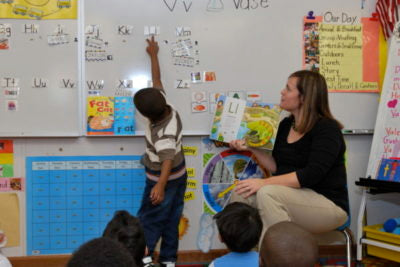
A comprehensive review of research on several measures of the quality of early childhood education suggests that the instructional practices of preschool teachers have the largest impact on young children’s academic and social skills. The review helps untangle a complicated knot of factors that affect young children.
Brain Imaging Predicts Language Learning in Deaf Children

MRI brain scans can predict language improvement after a cochlear implant, laying the foundation for creation of brain specific therapy.
China’s scholastic success could begin with storybooks, research suggests

There is a widely held perception – and some research to affirm it – that East Asian schools outperform schools in North America. A recent study published by UC Riverside psychologist Cecilia Cheung skirts the link between storybooks and school performance, but asserts that the lessons taught in Chinese schools could start early.
Study Reads Between the Lines in Children's Vocabulary Differences

A new study from the Callier Center for Communication Disorders at The University of Texas at Dallas found these differences in vocabulary growth among grade school children of different socioeconomic statuses are likely related to differences in the process of word learning.
Intervention offered in kindergarten readiness program boosts children’s self-regulation skills

Adding a daily 20 to 30 minute self-regulation intervention to a kindergarten readiness program significantly boosted children’s self-regulation and early academic skills, an Oregon State University researcher has found.
Engaging children in math at home equals a boost in more than just math skills

Preschool children who engage in math at home with their parents not only improve their math skills, but also their general vocabulary, according to research from Purdue University.
Bilingual preschoolers have better impulse control, study finds

Preschoolers who speak two languages show less impulsiveness than their single-language peers, say University of Oregon researchers whose project was seeded after they met in a graduate psychology course.
School year 'relative age' causing bias in ADHD diagnosis
Younger primary school children are more likely to be diagnosed with attention deficit hyperactivity disorder (ADHD) than their older peers within the same school year, new research has shown.