Research -- StepUp to Learn
Do Girls Read Better Than Boys? If So, Gender Stereotypes May Be to Blame
Researchers examined the relation between classmates’ gender stereotypes and individual students’ reading outcomes to shed light on how these stereotypes contribute to the gender gap in reading.
Moderate Exercise Can Benefit Memory Performance
Moderate intensity exercise such as brisk walking, water aerobics or cycling can have the most beneficial effect on memory performance.
Testing During Studying Improves Memory and Inference
Learning something new? Take a test! Research shows that taking a test is more effective than other ways of studying when learning and making inferences.
High-Quality Teacher–Child Interactions Predict Children's Learning Outcomes
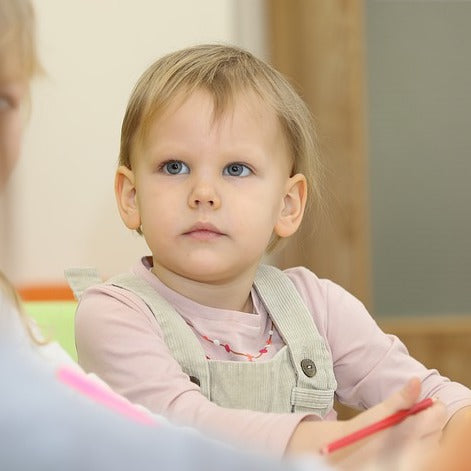
Most early childhood instructional alignment initiatives focus on the use of curricula, instructional practices, learning standards and assessments. But is it enough?
Contagious Learning: How Drama and Experience Enhance Learning

It's a concept first brought to light decades ago, but still very relevant in education today: lived experience. Specifically, how can educators create significant experiences to engage students and enhance learning?
A New Method for Boosting the Learning of Mathematics
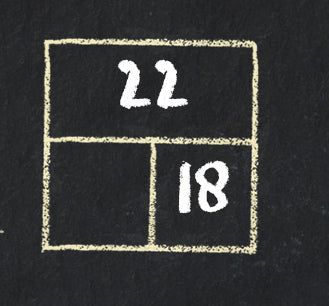
Researchers oversaw a new system of maths learning whose purpose is to promote the use of arithmetic formulas at an early age. After a year, they observed a leap in students’ performance.
Physical Activity in Lessons Improves Students' Attainment
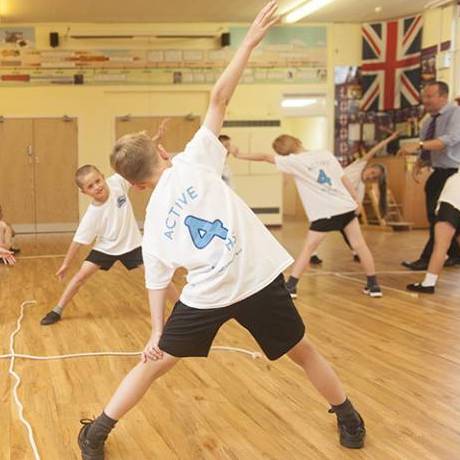
Students who take part in physical exercises like star jumps or running on the spot during school lessons do better in tests than peers who stick to sedentary learning.
Rethinking Role of Technology in the Classroom

Study finds added access can lead to decrease in students' academic motivation. Engagement "is more than a matter of providing children with access to the latest electronic devices."
Screening Kindergarten Readiness
Researchers at the University of Missouri College of Education have found that a readiness screener can predict kindergarteners’ success in school after 18 months.
Finding Upends Theory About the Cerebellum's Role in Reading and Dyslexia

New research shows that the cerebellum is not engaged during reading in typical readers and does not differ in children who have dyslexia.
A lack of background knowledge can hinder reading comprehension
Researchers found that a knowledge threshold may be an essential component of reading comprehension.
Emphasizing social play in kindergarten improves academics, reduces teacher burnout
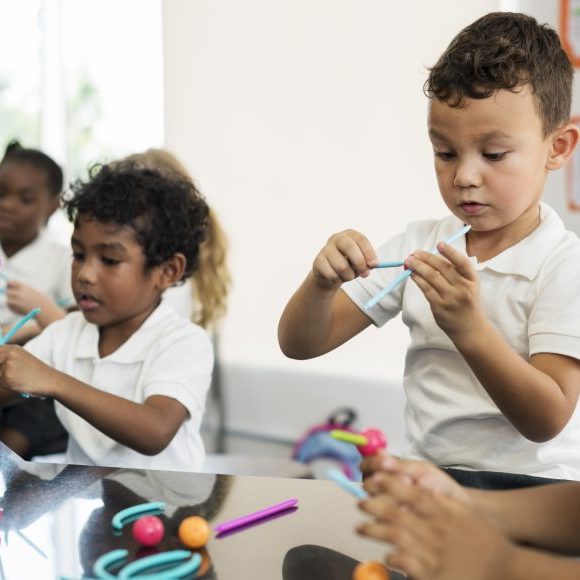
Emphasizing more play, hands-on learning, and students helping one another in kindergarten improves academic outcomes, self-control and attention regulation.