
Research -- StepUp to Learn
Reading Through a Visual Dictionary in the Brain

Preschoolers Can’t See the Mountains for the Cat

Less than Ideal Start in Life: What Next?

Humans are Born with Brains 'Prewired' to See Words

Heavy TV and Computer Use Impacts Children’s Academic Results

A new study reveals an association between heavy television use and poorer reading performance, as well as, between heavy computer use and poorer numeracy.
Regular Physical Activity Seems to Enhance Cognition in Children Who Need it Most

How the Brain Detects the Rhythms of Speech

Sport and Memory Go Hand in Hand

By exploring the benefits of sport in memory and motor learning, scientists are opening up promising perspectives for school programs.
Why Writing By Hand Makes Kids Smarter

Busy Pictures Hinder Reading Ability in Children
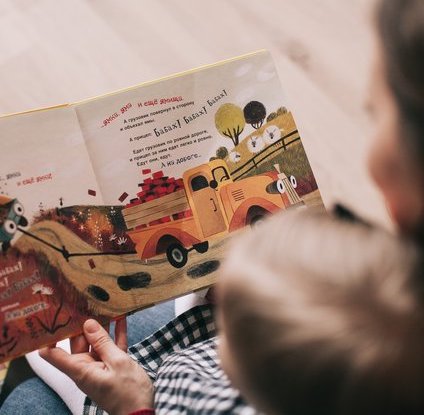
New study shows extraneous images draw attention from text, reducing comprehension in beginning readers.
Children Use Both Brain Hemispheres to Understand Language, Unlike Adults
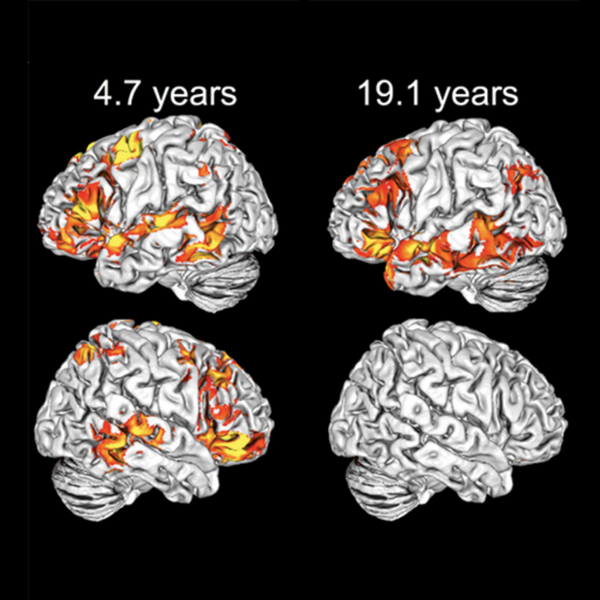
Whereas adults process most discrete neural tasks in specific areas in one or the other of their brain's two hemispheres, young children use both the right and left hemispheres to do the same task. The finding suggests a possible reason why children appear to recover from neural injury much easier than adults.
Children Will Wait to Impress Others—Another Twist on the Classic Marshmallow Test