
Research -- StepUp to Learn
Infants Capable of Complex Babble May Grow into Stronger Readers

New Experiences Enhance Learning by Resetting Key Brain Circuit

A study of spatial learning in mice shows that exposure to new experiences dampens established representations in the brain’s hippocampus and prefrontal cortex, allowing the mice to learn new navigation strategies.
Sport May Fast-Track Numeracy Skills for Indigenous Children

Blink! The Link Between Aerobic Fitness and Cognition

Researchers have found evidence that spontaneous eye blink activity, which reflects activity in the dopaminergic system, explains the connection between fitness and cognitive function.
Kids' Physical Fitness is More Important Than BMI

Weight loss shouldn’t be the goal of PE new study shows.
Clumsy Kids Can Be Fit Too

Scientists Identify Specific Brain Region and Circuits Controlling Attention
We Hear What We Want to Hear

Children With Dyslexia Show Stronger Emotional Responses

How Our Brains Know When Something's Different
Strong links between music and math, reading achievement
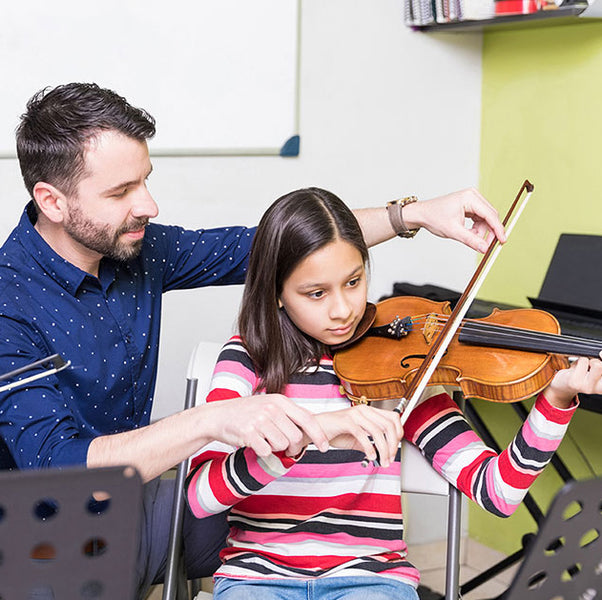
A music educator thought he could disprove the notion of a link between students’ musical and mathematical achievement. He was wrong.
Worth it? How the Brain Decides to Make an Effort
