
Research -- StepUp to Learn
Car, stroller, juice: Babies understand when words are related
The meaning behind infants’ screeches, squeals and wails may frustrate and confound sleep-deprived new parents. But at an age when babies cannot yet speak to us in words, they are already avid students of language.
Spacing out after staying up late? Here’s why
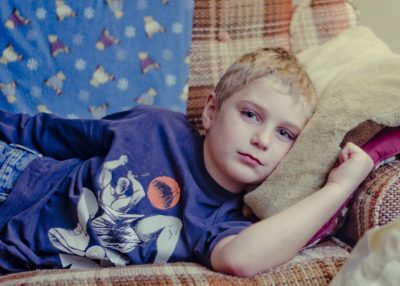
Ever sleep poorly and then walk out of the house without your keys? Or space out while driving to work and nearly hit a stalled car? A new study led by UCLA’s Dr. Itzhak Fried is the first to reveal how sleep deprivation disrupts brain cells’ ability to communicate with each other.
Engaging children in math at home equals a boost in more than just math skills
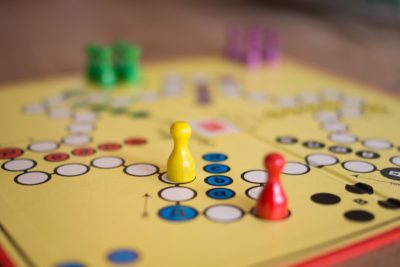
Preschool children who engage in math at home with their parents not only improve their math skills, but also their general vocabulary, according to research from Purdue University.
Tablet computers during math lessons may help increase the quality of teaching
KFU’s invited professor Andreja Istenic Starcic is a widely known expert focusing on questions of teaching, development, implementation of teaching technologies, and innovative concepts for various groups of people with learning difficultie
Brain activity buffers against worsening anxiety
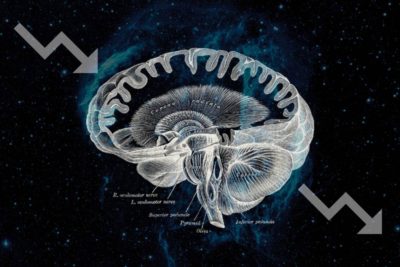
Boosting activity in brain areas related to thinking and problem-solving may also buffer against worsening anxiety, suggests a new study by Duke University researchers.
Brain activity is inherited, may inform treatment for ADHD, autism

Every person has a distinct pattern of functional brain connectivity known as a connectotype, or brain fingerprint. A new study conducted at OHSU in Portland, Oregon, concludes that while individually unique, each connectotype demonstrates both familial and heritable relationships.
Bilingual preschoolers have better impulse control, study finds
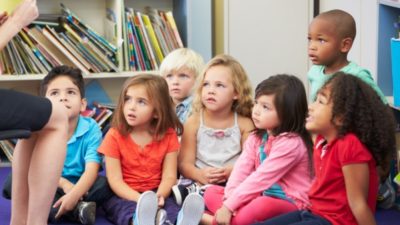
Preschoolers who speak two languages show less impulsiveness than their single-language peers, say University of Oregon researchers whose project was seeded after they met in a graduate psychology course.
How Dance Can Help Students in STEM Disciplines

A proof-of-concept study at North Carolina State University finds that participation in dance programs helps students – including those in science, technology, engineering and mathematics (STEM) disciplines – develop skills such as creativity and persistence that benefited them in the classroom and beyond.
School year 'relative age' causing bias in ADHD diagnosis

Younger primary school children are more likely to be diagnosed with attention deficit hyperactivity disorder (ADHD) than their older peers within the same school year, new research has shown.
Farsighted children struggle with attention

Farsighted preschoolers and kindergartners have a harder time paying attention and that could put them at risk of slipping behind in school, a new study suggests.
Study Finds Attending a Middle vs. a K-8 School Matters for Student Outcomes

Students who attend a middle school compared to a K-8 school are likely to have a lower perception of their reading skills, finds a new NYU Steinhardt study.
Getting emotional after failure helps you improve next time, study finds
New research led by a University of Kansas marketing professor has found emotional responses to failure rather than cognitive ones are more effective at improving people's results for the next time they tackle the next related task.