
Research -- StepUp to Learn

Study shows language development starts in the womb

Study shows language development starts in the womb

A month before they are born, fetuses carried by American mothers-to-be can distinguish between someone speaking to them in English and Japanese.

School, health and behavior suffer when children have TV, video games in bedroom
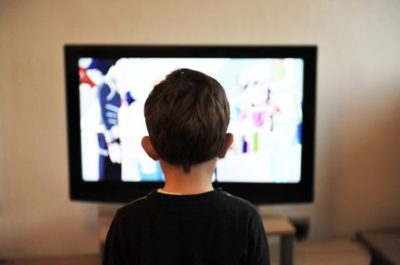
School, health and behavior suffer when children have TV, video games in bedroom

A new Iowa State University study is one of the first to demonstrate the consequences of allowing children to have a TV or video game system in their bedroom.

Researcher sheds new light on how brain operates like GPS

Researcher sheds new light on how brain operates like GPS

“We have not had a clear understanding of what happens when you step out of a subway tunnel, take in your surroundings and have that moment where you instantly know where you are,” Wilber said. “Now we’re getting closer to understanding that.”


How should we handle boys who can't read?

How should we handle boys who can't read?

"Letter-sound knowledge is what best predicts how well students will be able to read later," says Professor Hermundur Sigmundsson at the Norwegian University of Science and Technology's (NTNU) Department of Psychology. He has based his research on major empirical studies and theory.


Kids praised for being smart are more likely to cheat

Kids praised for being smart are more likely to cheat

An international team of researchers reports that when children are praised for being smart not only are they quicker to give up in the face of obstacles they are also more likely to be dishonest and cheat. Kids as young as age 3 appear to behave differently when told “You are so smart” vs “You did very well this time.”

Inattentive kids show worse grades in later life

Inattentive kids show worse grades in later life

Researchers studied children with and without attention deficit hyperactivity disorder (ADHD), and found that inattentiveness was linked to worse academic performance up to 10 years later, regardless of ADHD, even when they accounted for the children's intellectual ability.


Child’s Home Learning Environment Predicts 5th Grade Academic Skills

Child’s Home Learning Environment Predicts 5th Grade Academic Skills

Children whose parents provide them with learning materials like books and toys and engage them in learning activities and meaningful conversations in infancy and toddlerhood are likely to develop early cognitive skills that can cascade into later academic success, finds a new study by NYU’s Steinhardt School of Culture, Education, and Human Development.


Toddlers begin learning rules of reading, writing at very early age, study finds

Toddlers begin learning rules of reading, writing at very early age, study finds

New research from Washington University in St. Louis suggests that children as young as 3 already are beginning to recognize and follow important rules and patterns governing how letters in the English language fit together to make words.

Do you read stories to kids? Ensure moral lessons have greater impact with these types of books

Do you read stories to kids? Ensure moral lessons have greater impact with these types of books

A study from the Ontario Institute for Studies in Education (OISE) at the University of Toronto shows kids aged 4-6 learn social lessons, like sharing or telling the truth, most effectively from a certain type of book. The results may surprise you.

Graphic Novels: Can Comics Make Your Kid Smarter?
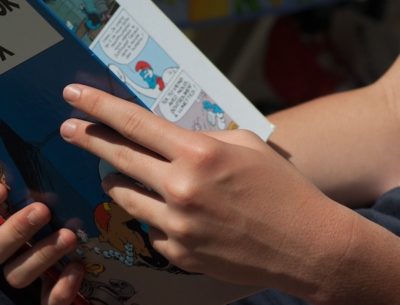
Graphic Novels: Can Comics Make Your Kid Smarter?

Researchers found that graphic novels help children understand not only what they are reading in class, but also teach reading comprehension strategies students can use in other types of reading and writing.

Personality Outsmarts Intelligence in the Classroom

Personality Outsmarts Intelligence in the Classroom

A recent study found that personality is more important than intelligence when it comes to children’s success in the classroom.

Building Brain Habits: Predicting Success

Building Brain Habits: Predicting Success

Christopher was not a behavior problem, but he was refusing to do his work. He usually earned Bs or Cs in his 3rd grade class and his teacher had no sense of why he was no longer interested in school. What was the cause of his apathy, and more urgently, how can we motivate and engage a student like Christopher?