Research -- StepUp to Learn
Evidence That This 100-Year-Old Practice Enhances Learning
This makes learning easier, faster, and more motivating.
A Tool That Benefits Both Dyslexic and Non-Dyslexic Children
New study finds significant benefits for both dyslexic and non-dyslexic children
Foreign Language & Music: Does Rhythm Improve Learning?
Research has shown that a music-related hobby boosts language skills and affects the processing of speech in the brain. According to a new study, the reverse also happens – learning foreign languages can affect the processing of music in the brain.
Building Your Child's Vocabulary? Learn by Doing!
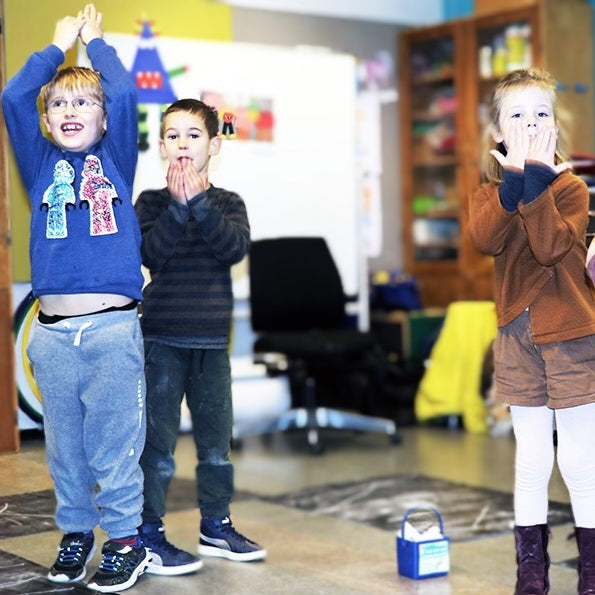
Learning techniques that involve the performance of gestures instead of simple audio or visual information can benefit learners.
Flickering Screens May Help Children With Reading and Writing Difficulties
Children with reading and writing difficulties who are presented with text on screens with flickering white noise both read better and remember what they have read better.
School Day Structure Could Benefit Children’s Health
Children’s behaviors are healthier when they have consistent routine and structure in their day-to day lives, such as on school days.
Dyslexia: When Spelling Problems Impair Writing Acquisition
When children cannot quickly and accurately write letters, they also have problems with spelling and written language.
3 Key Skills for Promoting Numeracy in Young Children
What are the fundamental skills that young children need to develop at the start of school for future academic success? While a large body of res...
Team Finds Brain Mechanism that Automatically Links Objects in our Minds
Scientists map the part of the brain that "links" similar objects, leading to new insights about how the brain processes information out of context.
Researchers Find What Motivates Young Children to Learn
The study focused on how children’s knowledge level influences what information they find interesting. The findings suggest that children are not simply attracted to information by its novelty.
Thinking in 3D Improves Mathematical Skills
New research suggests that there is a strong correlation between early spatial skills and the comprehension of mathematical concepts later.
Do Open Learning Spaces Increase Children’s Physical Activity?
Open learning spaces are not directly associated with the physical activity of students in grades 3 and 5, even though more breaks from sedentary time were observed in open learning spaces compared to conventional classrooms.