Research -- StepUp to Learn
Separate brain systems cooperate during learning, study finds

Reinforcement learning and working memory, previously interpreted as working independently or as competing with each other in the learning process, may actually work together as people learn new tasks.
Elementary school student support leads to lower high school dropout
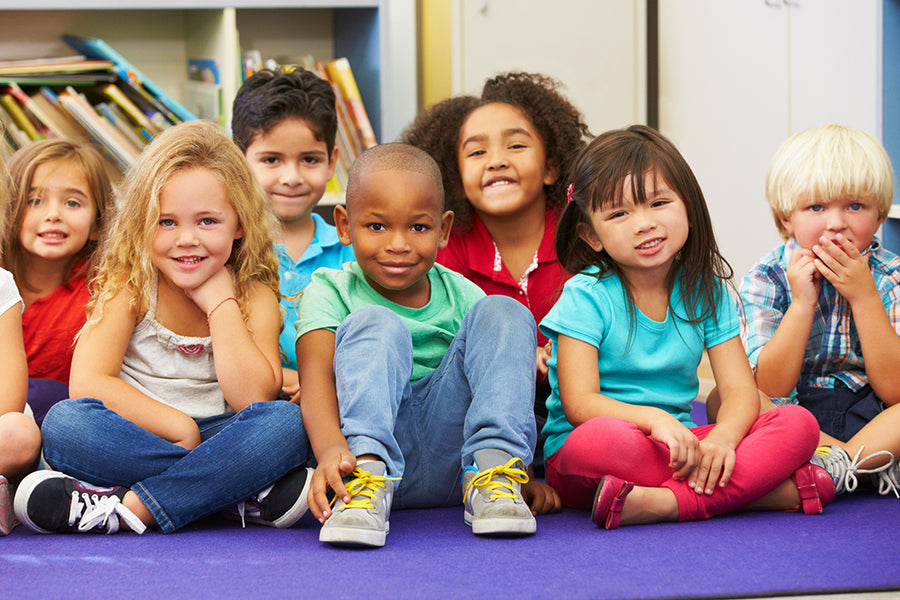
Elementary-school students who participated in a comprehensive support intervention in the Boston public school district had about half the odds of dropping out of high school as students not in the intervention.
Simple Directions From Parents Can Guide Children’s Discovery
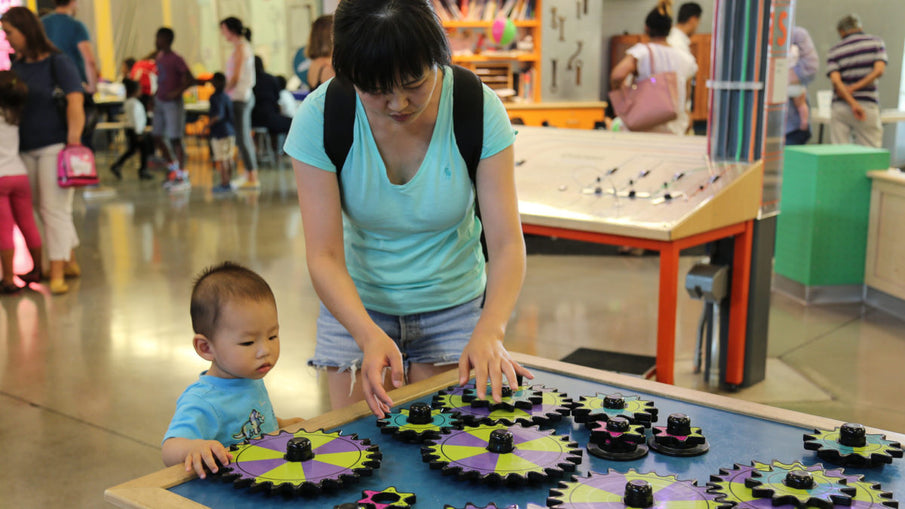
Simple cues from parents for their children to either “explain” or “explore” influences learning behavior and abilities, particularly as it relates to scientific reasoning.
Report examines origins and nature of 'math anxiety'

Research reveals that teachers and parents may inadvertently play a role in a child's development of 'math anxiety' and that girls tend to be more affected than boys.
How the arts can help students who struggle most
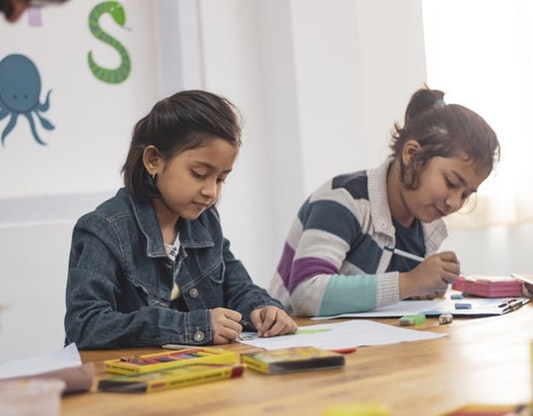
Researchers show that using artistic activities -- such as rhyming, movement, and drawing, -- helps students retain more of what they learn.
Colored filter improves dyslexic children's reading speed
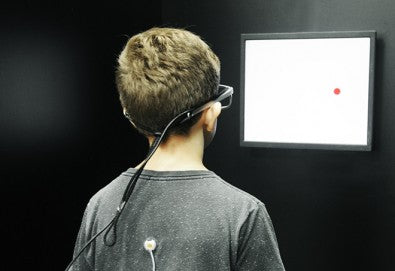
Reading, one of the most difficult activities for children with dyslexia, can be improved by the use of a colored filter.
Do persistent babies make for successful adults?
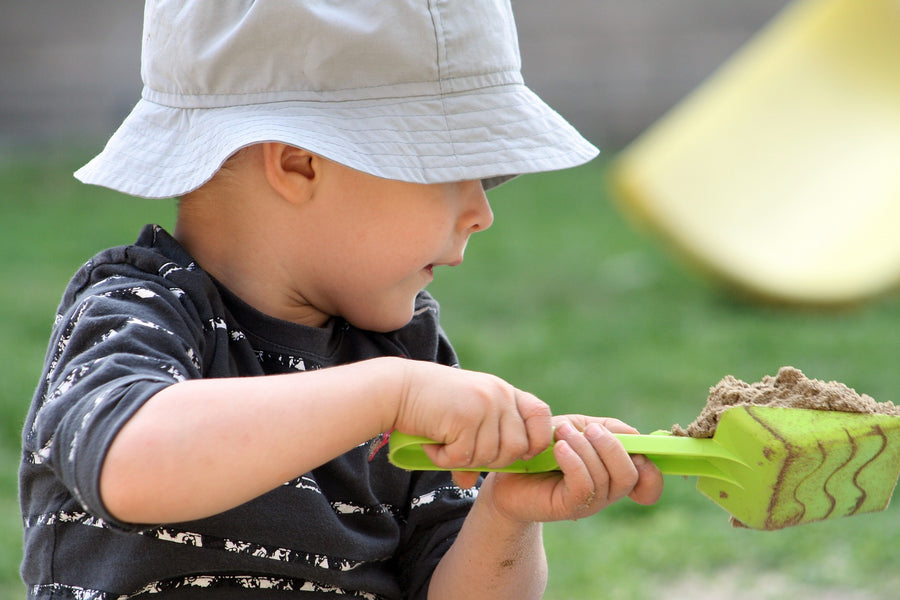
University of Washington researchers argue that greater study of infant persistence can shed light on the factors that instill persistence, and the outcomes that may emerge from it later in life.
Intellectual Curiosity and Confidence Help Children Take on Math and Reading
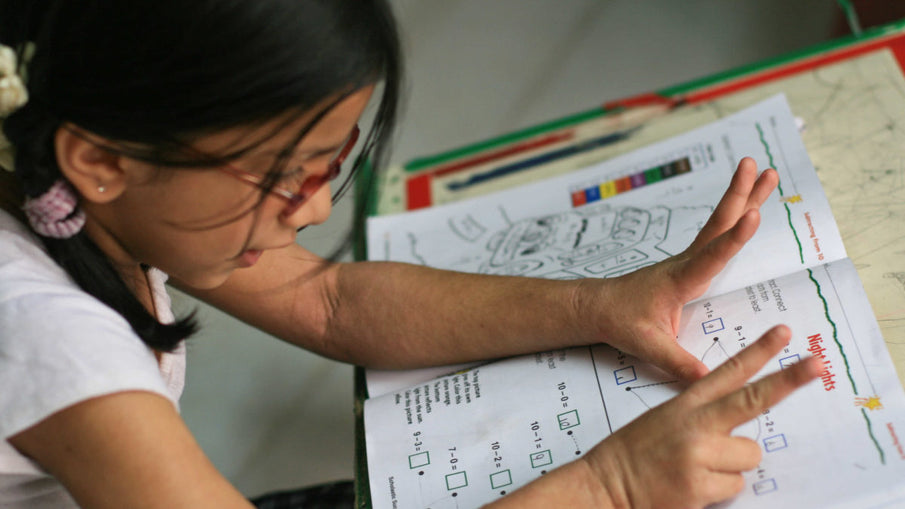
Characteristics related to openness, such as intellectual curiosity and confidence, made children more adept to take on math and reading than characteristics describing conscientiousness, such as diligence and perseverance.
The powerful impact of real-world learning experiences for kids

Researchers found that 4- to 9-year-old kids knew more about how animals are classified after a four-day camp at a zoo. It wasn’t that children who attended just knew more facts about animals, the researchers noted. The camp actually improved how they organized what they knew – a key component of learning.
Helping Children With ADHD Thrive in the Classroom

School is tough for a lot of children, but the classroom can be especially stressful for kids struggling with attention deficit hyperactivity diso...
Kids connect with robot reading partners

Kids learn better with a friend. They’re more enthusiastic and understand more if they dig into a subject with a companion. But what if that companion is artificial?
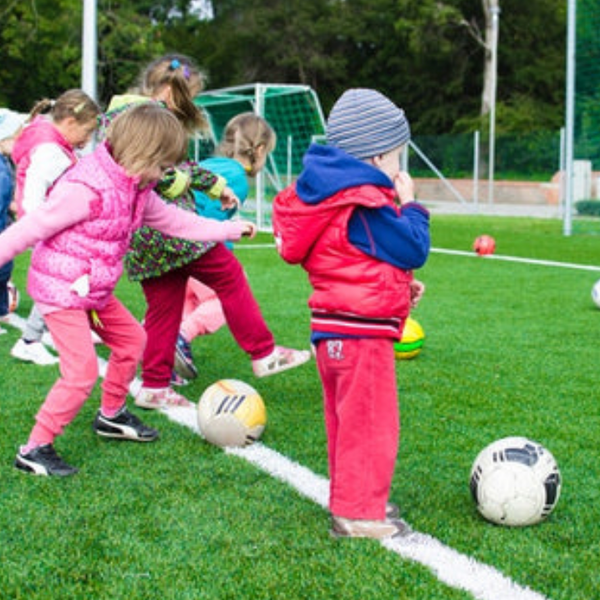
When it comes to school recess, a quality playground experience matters, researchers suggest
Recess periods can offer physical, cognitive, social and emotional benefits to elementary school children, but those benefits are tied closely to the quality of the playground experience.