
Research -- StepUp to Learn
Sugar: High Consumption Affects Learning, Memory
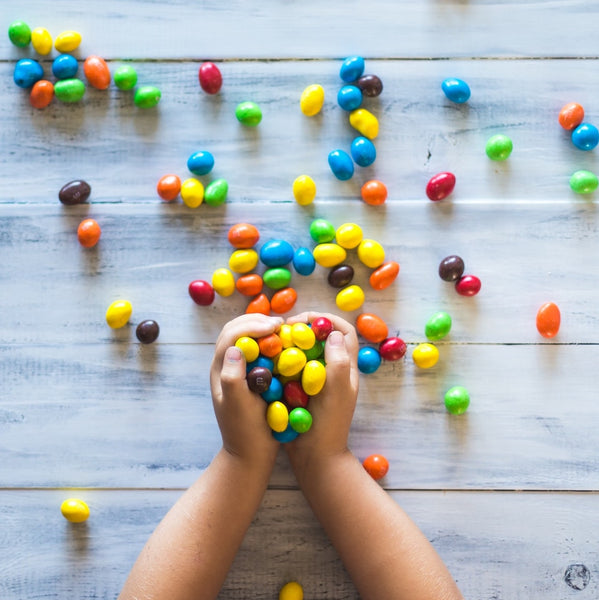
New research shows high sugar consumption early in life affects learning and memory.
Eye Movements of Those with Dyslexia Reveal Inefficient Reading Strategies

Why Our Brains Miss Opportunities to Improve Through Subtraction

Puzzle Games Can Improve Mental Flexibility

Puzzle Play Helps Boost Math Skills

Paper Notebooks vs. Mobile Devices

Unique, complex information in analog methods likely gives brain more details to trigger memory.
Read to Succeed -- in Math

Infants Capable of Complex Babble May Grow into Stronger Readers

New Experiences Enhance Learning by Resetting Key Brain Circuit

A study of spatial learning in mice shows that exposure to new experiences dampens established representations in the brain’s hippocampus and prefrontal cortex, allowing the mice to learn new navigation strategies.
Blink! The Link Between Aerobic Fitness and Cognition

Researchers have found evidence that spontaneous eye blink activity, which reflects activity in the dopaminergic system, explains the connection between fitness and cognitive function.
Kids' Physical Fitness is More Important Than BMI

Weight loss shouldn’t be the goal of PE new study shows.
Clumsy Kids Can Be Fit Too
