
Research -- StepUp to Learn
Got Rhythm? This Type of Music Boosts Brain Performance
Listening to these types of songs during an activity helped participants focus attention and multitask, especially those who have good rhythm.
How Does the Brain Process and Store Movement?
What researchers discovered about how the brain processes movement changes not only to our understanding of how the brain works, but provides a better understanding of conditions ranging from Parkinson’s disease to autism.
How to Boost Children's Letter Sound Recognition
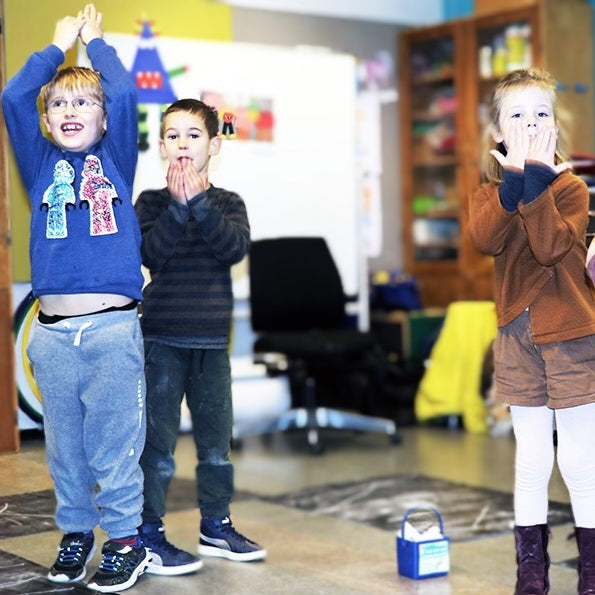
Children who did this became twice as proficient at difficult letter sounds compared to those who received traditional instruction.
Need to Improve Concentration? Try This.
Researchers confirm the correlation between concentration and health-related quality of life and this everyday activity with primary school students.
Visuals increase attention. Now science explains why.
A neurochemical explanation for why looking at something actually helps kiddos pay better attention.
Building Your Child's Vocabulary? Learn by Doing!
Learning techniques that involve the performance of gestures instead of simple audio or visual information can benefit learners.
School Day Structure Could Benefit Children’s Health
Children’s behaviors are healthier when they have consistent routine and structure in their day-to day lives, such as on school days.
Dyslexia: When Spelling Problems Impair Writing Acquisition
When children cannot quickly and accurately write letters, they also have problems with spelling and written language.
3 Key Skills for Promoting Numeracy in Young Children
What are the fundamental skills that young children need to develop at the start of school for future academic success? While a large body of res...
Not All Recess is Created Equal
With schools returning to full-time in-person classes this fall now is a good time to rethink, ‘How do we create schools that are more child-friendly?’
Do Open Learning Spaces Increase Children’s Physical Activity?
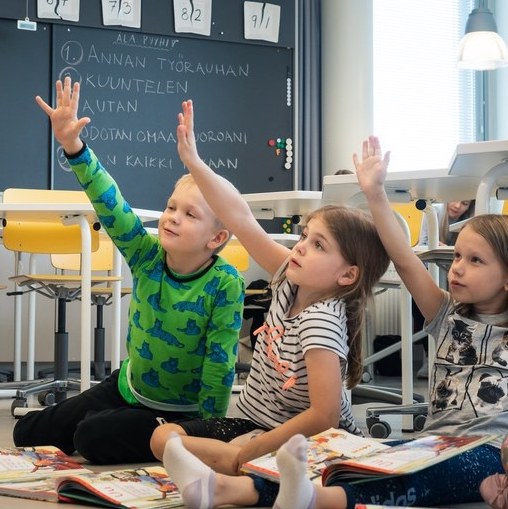
Open learning spaces are not directly associated with the physical activity of students in grades 3 and 5, even though more breaks from sedentary time were observed in open learning spaces compared to conventional classrooms.