Research -- StepUp to Learn
Sensory Integration Dysfunction Case Study
An August 2010 doctor’s report included history of Oromotor Dyspraxia, Auditory Sensitivity, Articulation Disorder, Developmental Language Delay, and Heavy Metal Toxicity which had improved with prior therapeutic interventions. Current diagnoses include Sensory Integration Dysfunction, Metabolic Disorder, and Developmental Coordination Disorder. Michael was receiving Speech Therapy 5 days a week and Occupational Therapy once a week. His delays first became evident at age 2 when he had not begun to talk.
Selecting Sounds: How the Brain Knows What To Listen To
Scientists developed a new approach to how the brain singles out a specific stream of sound from other distracting sounds. Using a novel experimental approach, the scientists non-invasively mapped sustained auditory selective attention in the human brain. Published in the Journal of Neuroscience, the study lays crucial groundwork to track deficits in auditory attention due to aging, disease or brain trauma and to create clinical interventions, like behavioral training, to potentially correct or prevent hearing issues.
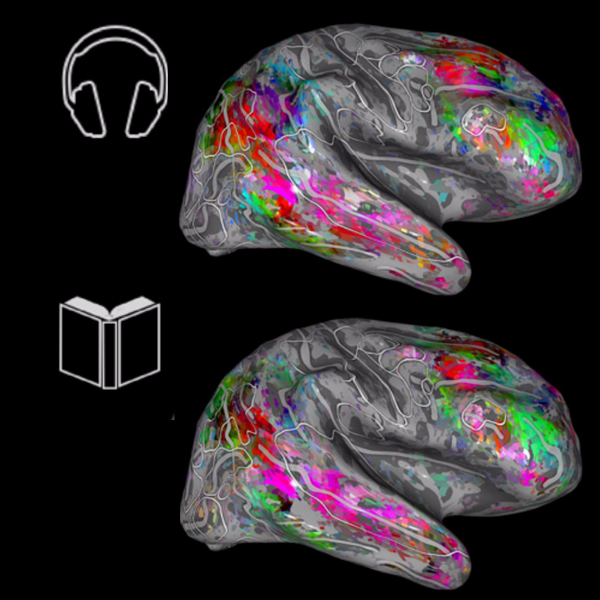
New study shows reading is a team-lift as different brain parts work together to predict proficiency
"Developmentally, children start to have more cross talk between their sound processing areas and visual processing areas. They’re mutually reinforcing each other. If they’re not getting this input then children are having difficulty reading."
‘Teachers are brain engineers’: UW study shows how intensive instruction changes brain circuitry in struggling readers
A study from the University of Washington found that when children with reading difficulties underwent an intensive tutoring program, their brains’ white matter strengthened, and their reading skills improved.
NeuroNet Success Stories: KidSense Therapy
Marcia Washington, OTR/L, has been practicing pediatric occupational therapy for more than 10 years. She is the owner of KidSense Therapy, a sensory clinic providing occupational therapy for children birth to age 18 years in Pontotoc, Mississippi. We recently had the chance to catch up with Marcia and ask her about her experience using NeuroNet programs in her therapy practice:
NeuroNet Goes to China!
We recently travelled to China to see how schools in Beijing are using NeuroNet, as well as to share the science behind NeuroNet with parents and teachers in Shanghai.
New study finds younger aged children with symptoms of ADHD have reduced brain
Findings could help determine new ways to predict which children are most at risk for developing ADHD.
Monkeys' Brains Synchronize As They Collaborate To Perform A Motor Task
Though their purpose and function are still largely unknown, mirror neurons in the brain are believed by some neuroscientists to be central to how humans relate to each other. Deficiencies in mirror neurons might also play a role in autism and other disorders affecting social skills.
Music lessons improve children's cognitive skills and academic performance
Cognitive skills developed from music lessons appear to transfer to unrelated subjects, leading to improved academic performance.
Exercise increases brain size, new research finds
Studies in mice and rats have consistently shown that physical exercise increases the size of the hippocampus but until now evidence in humans had been inconsistent.
Mirror neuron activity predicts people’s decision-making in moral dilemmas
Mirror neurons play a vital role in how people learn through mimicry and feel empathy for others. Researchers found that the brain’s inferior frontal cortex is more active in people who are more averse to harming others when facing moral dilemmas.
Brain Imaging Predicts Language Learning in Deaf Children
MRI brain scans can predict language improvement after a cochlear implant, laying the foundation for creation of brain specific therapy.