
Research -- StepUp to Learn
Children Use Both Brain Hemispheres to Understand Language, Unlike Adults
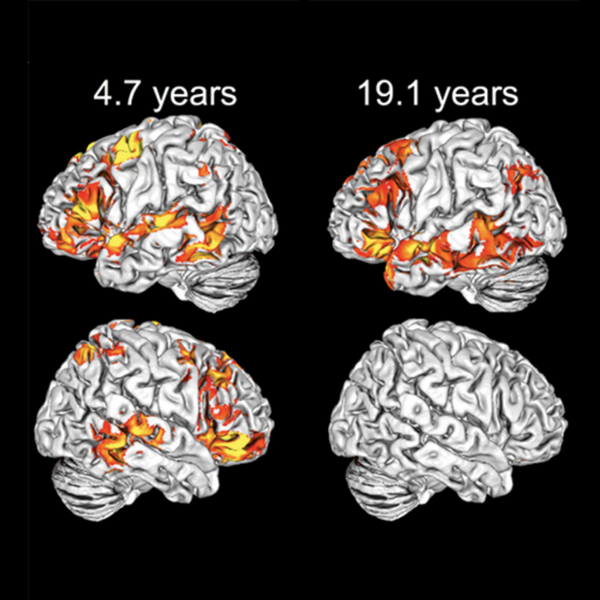
Whereas adults process most discrete neural tasks in specific areas in one or the other of their brain's two hemispheres, young children use both the right and left hemispheres to do the same task. The finding suggests a possible reason why children appear to recover from neural injury much easier than adults.
Children Will Wait to Impress Others—Another Twist on the Classic Marshmallow Test

Visual-Spatial Learning Disorder Is More Common Than Thought

Naming Guides How 12-Month-Old Infants Encode and Remember Objects

Even for infants just beginning to speak their first words, the way an object is named guides infants' encoding, representation and memory for that object, according to new research. Encoding objects in memory and recalling them later is fundamental to human cognition and emerges in infancy. Evidence from a new recognition memory task reveals that as they encode objects, infants are sensitive to a principled link between naming and object representation by 12 months.
Why Some Words May Be More Memorable Than Others

A Fair Reward Ensures a Good Memory

By studying the brain’s reward and memory networks, neuroscientists find that memory requires a system of reward delivery. A new finding highly relevant for a variety of learning situations.
Enrichment Programs Help Children Build Knowledge

Testing During Studying Improves Memory and Inference
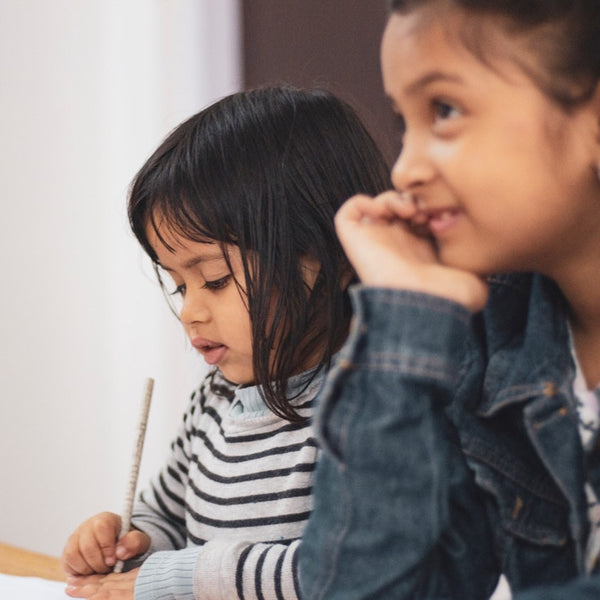
Mother Nature: Reshaping Modern Play Spaces for Children’s Health
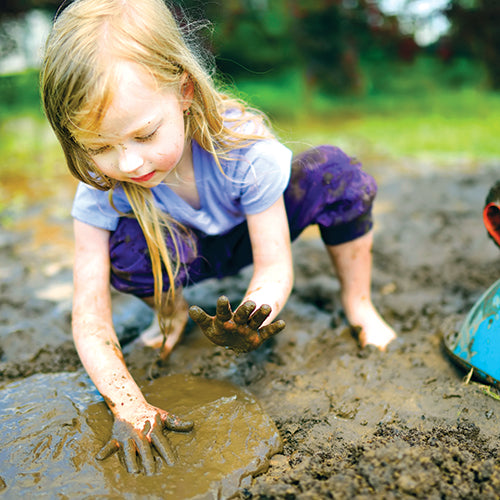
A Smart Jumpsuit Provides Information on Infants’ Movement and Development

Digital Games May Beat Mindfulness Apps at Relieving Stress
Aerobic exercise improves cognition, even in young adults